








Chiricahua National Park
Updated October 2026: Chiricahua National Monument is now Chiricahua National Park, the 64th U.S. national park and Arizona’s fourth, after the Chiricahua National Park Act was signed on October 20, 2026. The rocks, trails and roads are the same; the name and status are new.
Chiricahua National Park, located in southeastern Arizona, is a stunning geological wonder showcasing the beauty of the American Southwest. Known for its unique rock formations, diverse ecosystems, and rich history, the park attracts outdoor enthusiasts, nature lovers, and history buffs alike. With its scenic trails, fascinating wildlife, and ancient cultural stories, Chiricahua offers a captivating experience for every visitor. Whether you’re hiking through the iconic rock spires or learning about the area’s rich heritage, Chiricahua National Park is a must-visit destination in the heart of the desert.
Get more Chiricahua National Park trails, places and map here!
Where is Chiricahua National Park located?
Chiricahua National Park is situated near the small town of Willcox in Cochise County, Arizona. This region is part of the larger southeastern Arizona area, known for its dramatic landscapes and rich history. Willcox, a charming town with a population of just over 4,000, serves as a gateway to the park and offers visitors a glimpse of Arizona’s Old West heritage. The surrounding region is characterized by high desert, mountain ranges, and a variety of wildlife, making it a perfect backdrop for outdoor adventures.
Best Time to Visit Chiricahua National Park
The best time to visit Chiricahua National Park is during the spring (March to May) and fall (September to November) months. During these seasons, the weather is generally mild, with daytime temperatures ranging from the mid-60s to mid-80s Fahrenheit, making it ideal for hiking and exploring the park. Summer months can be hot, with temperatures often exceeding 100°F, while winter may bring snow and closures to some trails. Additionally, consider attending local festivals, such as the annual Willcox Cowboy Days in March, which showcases local culture and adds to your visit’s charm.
How to get to Chiricahua National Park?
Traveling to Chiricahua National Park is accessible via several airports. The nearest regional airport is the Cochise County Airport, located about 30 miles away in Willcox. For larger international flights, Tucson International Airport (approximately 90 miles to the west) and El Paso International Airport (about 150 miles to the east) are the most convenient options. Visitors can rent a car at these airports to enjoy a scenic drive to the park, taking in the breathtaking landscapes along the way.
What to do when you arrive:
Upon arriving at Chiricahua National Park, the first stop should be the Visitor Center. Here, you can gather information about the park, pick up maps, and learn about the geology and ecology of the area. The Visitor Center also features exhibits showcasing the history and culture of the Chiricahua Apache people. For accommodations, there are several options in nearby Willcox, including motels and local inns, offering a range of amenities to suit different budgets.
Getting Around Locally
Getting around Chiricahua National Park is primarily done by car, as the park features a scenic loop road that provides access to various trailheads and viewpoints. The loop road is approximately 8 miles long, offering stunning views of the unique rock formations and surrounding landscapes. For those who prefer a more immersive experience, hiking is highly encouraged, with numerous trails available that cater to different skill levels.
Top Things to Do and See at Chiricahua National Park:
- Echo Canyon Loop Trail: This 3.3-mile loop trail takes you through some of the most iconic rock formations in the park, including the impressive Echo Canyon. Hikers will enjoy breathtaking views and the opportunity to see unique flora and fauna along the way.
- Massai Point: For a stunning panoramic view of the Chiricahua Mountains and the surrounding valleys, visit Massai Point. Accessible by car, this viewpoint is perfect for a quick stop or a leisurely picnic while soaking in the scenery.
- Chiricahua Apache History: Explore the rich cultural heritage of the Chiricahua Apache people at the visitor center, where you can find exhibits detailing their history, traditions, and challenges. Guided ranger programs often delve deeper into these fascinating stories.
- Heart of Rocks Loop: This roughly 7-mile round trip (depending on the trailhead) offers an immersive experience through a unique rock formation area known as the Heart of Rocks. Hikers will navigate through narrow passages and towering spires, making it a memorable adventure.
- Birdwatching: With over 200 species of birds recorded in the park, Chiricahua National Park is a birdwatcher’s paradise. Bring your binoculars and keep an eye out for species such as the elegant trogon and various hummingbirds.
Suggested Itineraries
For a well-rounded experience at Chiricahua National Park, consider the following itineraries:
- Day Trip Itinerary: Start your day early at the Visitor Center, then embark on the Echo Canyon Loop Trail. After lunch, take a scenic drive to Massai Point for breathtaking views before wrapping up your visit at the Heart of Rocks Loop.
- Weekend Getaway Itinerary: Arrive on Friday evening and spend the night in Willcox. On Saturday, explore the trails, including the Heart of Rocks Loop and Echo Canyon. Enjoy a ranger-led program in the evening. On Sunday, dedicate time to birdwatching before departing.
Permits & Fees
Entrance fees, passes and permits can change, especially now that Chiricahua is a national park. The America the Beautiful annual pass covers entry, and Senior and Access passes are honored. Be sure to check the National Park Service website for the most current information and any special permits that may be required for specific activities.
Nearby Day Trips & Detours
While visiting Chiricahua National Park, consider exploring nearby attractions:
- Fort Bowie National Historic Site: Located about 30 miles to the west, this site offers insight into the history of the Apache Wars and the significance of the fort.
- Portal, Arizona: A quaint community known for its beautiful landscapes and birdwatching opportunities, just a short drive from the park.
- Rodeo and Animas, New Mexico: These charming border towns provide a glimpse into rural Southwestern life and are a great stop for those interested in local culture.
Local Culture & History
The Chiricahua region has a rich cultural history, primarily influenced by the Chiricahua Apache tribe. The area was traditionally used by the Apache for hunting and gathering. The park itself is named after the Chiricahua Mountains, which have significant cultural and spiritual meaning to the Apache people. Today, visitors can learn about this heritage through various educational programs and exhibits at the Visitor Center.
The local culture is also reflected in the surrounding towns, where you can find festivals celebrating the cowboy lifestyle, agricultural fairs, and art shows that highlight the region’s history and community spirit. Exploring Chiricahua National Park not only offers breathtaking natural beauty but also a deeper understanding of the area’s rich cultural tapestry.
Packing List & What to Bring to Chiricahua National Park
When planning a visit to Chiricahua National Park, it’s essential to pack appropriately to ensure a comfortable and enjoyable experience. Here is a comprehensive packing list:
- Clothing:
- Lightweight, breathable clothing for hot weather
- Layered clothing for chilly mornings and evenings
- Comfortable hiking boots or shoes with good traction
- Hat or cap for sun protection
- Rain jacket or windbreaker, depending on the season
- Personal Items:
- Sunscreen with a high SPF
- Insect repellent
- Reusable water bottle (hydration is key)
- Personal medications
- First-aid kit for minor injuries
- Outdoor Gear:
- Binoculars for birdwatching
- Camera or smartphone for capturing memories
- Backpack to carry your essentials
- Trail map or GPS device
- Snacks for energy while hiking
- Navigation & Planning:
- Printed or downloaded park map
- Itinerary with planned activities
- Smartphone with offline maps and park apps
Be sure to check the weather forecast before your trip to adjust your packing list as necessary.
Wildlife & Nature Highlights
Chiricahua National Park is home to a diverse array of wildlife and natural features that make it a unique destination for nature enthusiasts. Here are some highlights:
- Wildlife:
- Mammals: Look out for mule deer, coyotes, and various small mammals like rabbits and squirrels.
- Birds: The park is a haven for birdwatchers, featuring species such as the Mexican spotted owl, peregrine falcon, and a variety of hummingbirds.
- Reptiles: Keep an eye out for lizards and snakes, including the colorful Gila monster.
- Flora:
- The park features over 1,200 species of plants, including diverse cacti and wildflowers.
- Notable plants include several species of agave, yucca, Apache pine and Chihuahua pine. Saguaros do not grow here: the park sits too high and too far east, above roughly 5,000 feet.
- Geological Features:
- The unique rock formations, such as hoodoos and spires, are a must-see and provide excellent photo opportunities.
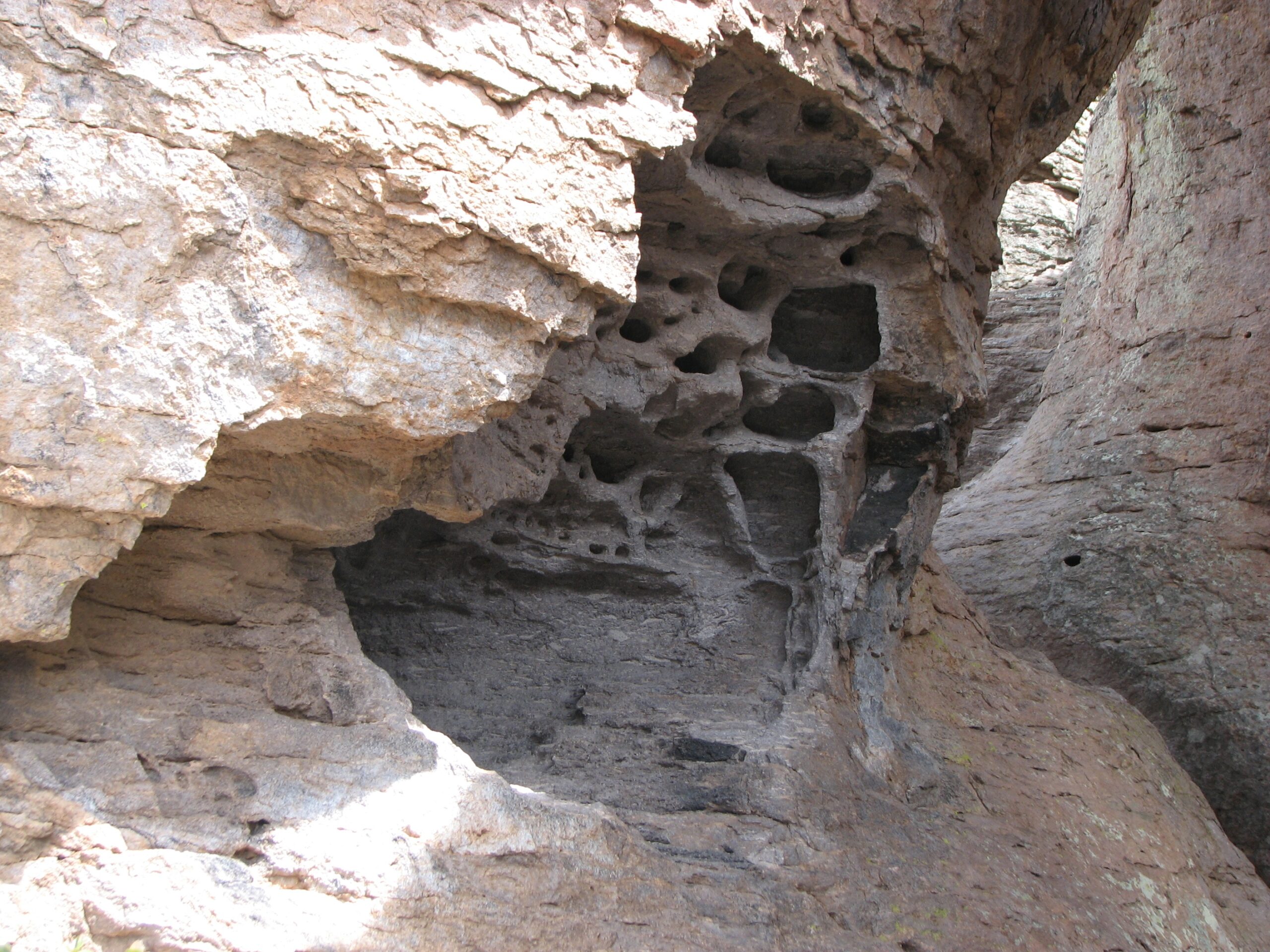
- The spires are rhyolite tuff, welded volcanic ash from a massive eruption of the Turkey Creek Caldera about 27 million years ago, later carved by erosion along vertical cracks.
Visitors are encouraged to observe wildlife from a distance, respecting their natural habitats and ensuring a safe experience for both animals and humans.
Accessibility Information
Chiricahua National Park strives to provide access to all visitors. Here are some key points regarding accessibility:
- Visitor Center: The visitor center is accessible for those with mobility challenges, featuring ramps and accessible restrooms.
- Trails: While many trails are rugged, some are paved or have compacted surfaces, such as the first part of the Echo Canyon Loop. Visitors should check trail conditions at the visitor center.
- Parking: Designated accessible parking is available near the visitor center and select trailheads.
- Assistance: Visitors requiring assistance can inquire at the visitor center for additional resources and information on accessible activities.
For specific inquiries regarding accessibility or accommodations, it’s recommended to contact the park ahead of your visit.
Chiricahua National Park FAQs
Here are some frequently asked questions to help you plan your visit:
- What are the park hours?The park is open year-round, but hours can vary by season. The Visitor Center typically operates from 8:00 AM to 5:00 PM.
- Are pets allowed in the park?Pets are allowed in certain areas, but they must be on a leash and are not allowed on trails or in buildings.
- Is there cell phone coverage in the park?Cell phone service may be limited in some areas of the park. It’s advisable to download maps and information before your visit.
- Are there any ranger-led programs?Yes, the park often offers ranger-led programs during the peak season, including guided hikes and educational talks.
Additional Resources
For more information and resources related to Chiricahua National Park, consider visiting the following websites:
- National Park Service – Chiricahua National Park
- National Park Getaways – Chiricahua National Park guide, trails and map
- National Park Adventurers Facebook Page
- AllTrails – Chiricahua National Park
- Visit Phoenix – Chiricahua National Park
By utilizing these resources, you can enhance your knowledge and preparation for a memorable trip to Chiricahua National Park.
Follow us on social media for more!
