

Coronado National Forest
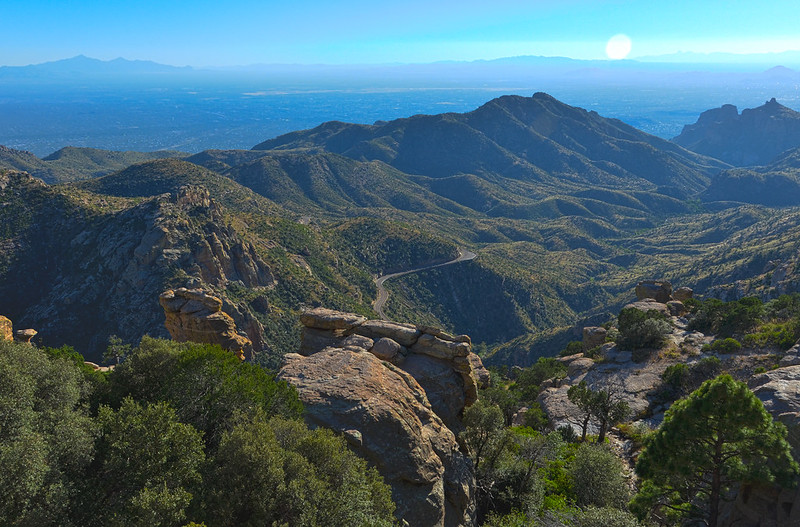
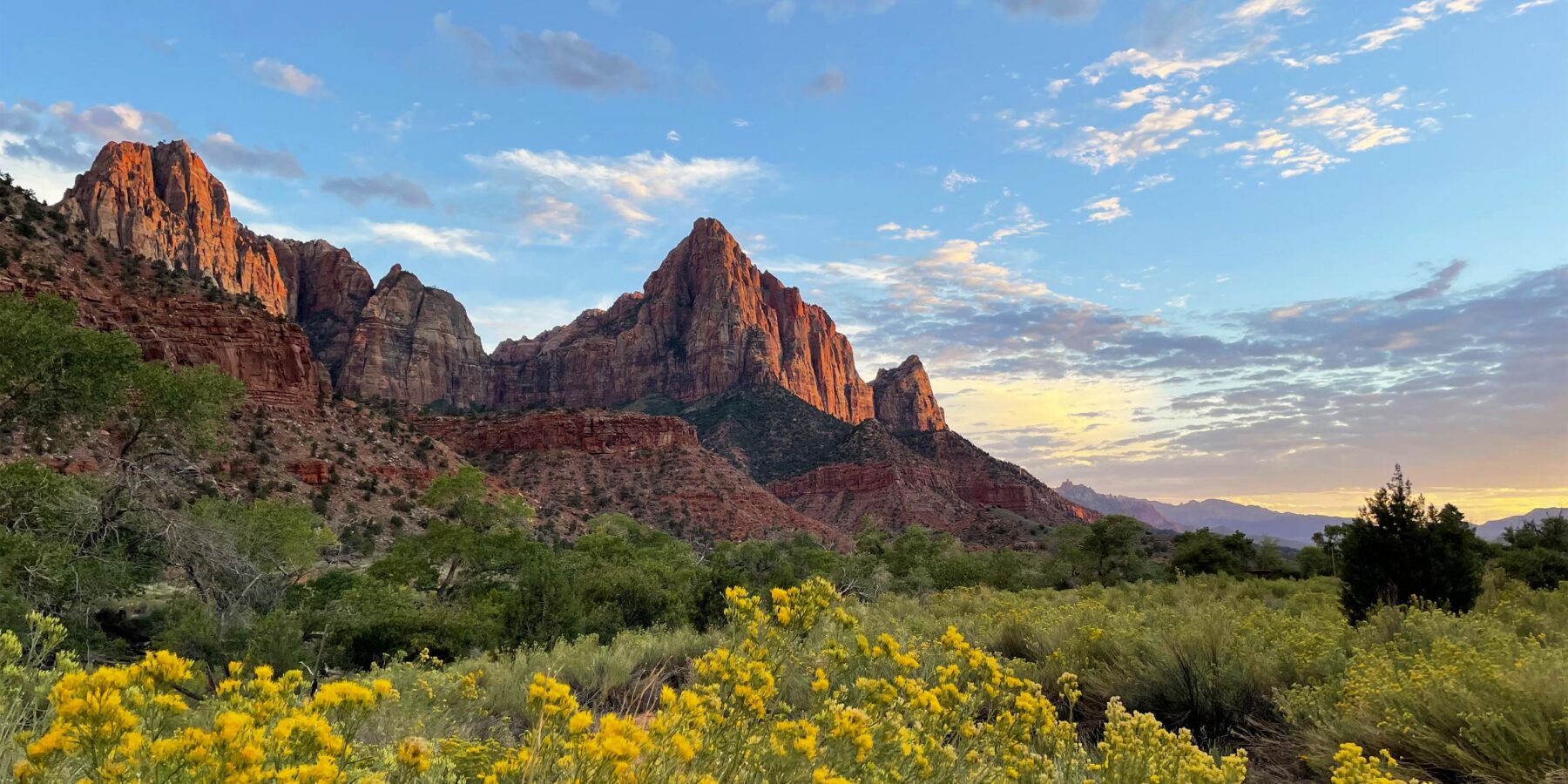
Coronado National Forest is a stunning natural oasis located in southeastern Arizona. Spanning over 1.78 million acres, it encompasses a diverse range of ecosystems, from desert landscapes to lush mountain forests. The forest is named after the famed Spanish explorer Francisco Vázquez de Coronado, who sought the Seven Cities of Gold in the 16th century. Today, it serves as a popular destination for outdoor enthusiasts, offering activities such as hiking, camping, and wildlife viewing, all while showcasing the breathtaking beauty of the American Southwest.
Get more Coronado National Forest Travel Tips & News here!
Where is Coronado National Forest located?
Coronado National Forest is primarily located in Cochise County, Arizona, with portions extending into Santa Cruz County. The nearest city is Tucson, which lies approximately 30 miles to the northwest. Tucson is known for its rich cultural heritage, vibrant arts scene, and proximity to various outdoor activities. It serves as a gateway for visitors heading to the forest, providing a range of accommodations, dining options, and attractions. The region is characterized by its warm desert climate, breathtaking mountain ranges, and unique biodiversity, making it an ideal destination for nature lovers.
Best Time to Visit Coronado National Forest
The best time to visit Coronado National Forest is during the spring (March to May) and fall (September to November) when temperatures are mild and pleasant for outdoor activities. Summer months can be extremely hot, particularly in the lower elevations, while winter may bring cooler temperatures and occasional snowfall in the higher elevations. Visitors should also be aware of the monsoon season from late June to September, which can lead to sudden thunderstorms. Key events, such as the Tucson Gem and Mineral Show in February, attract large crowds, so planning your trip around these times can help you avoid congestion.
How to get to Coronado National Forest?
The nearest major airport to Coronado National Forest is Tucson International Airport (TUS), located about 30 miles from the forest. This airport offers numerous domestic flights and some international connections. Alternatively, travelers can consider flying into Phoenix Sky Harbor International Airport (PHX), approximately 120 miles northwest, and then renting a car to reach the forest. For those looking for a more scenic approach, charter flights are available to smaller regional airports in the area.
What to do when you arrive:
Upon arriving at Coronado National Forest, visitors are encouraged to stop by one of the several visitor centers, such as the Rincon Mountain District Visitor Center or the Santa Catalina Ranger District. These centers provide valuable information on trails, maps, and current conditions. Additionally, there are various lodging options in nearby Tucson, ranging from hotels to cozy bed-and-breakfasts, allowing visitors to rest and recharge before exploring the forest.
Getting Around Locally
Getting around Coronado National Forest is best done by car, as public transportation options are limited. Several scenic drives cut through the forest, providing access to various trailheads and attractions. Visitors should also be prepared for winding mountain roads, especially when traveling to higher elevations. For those wishing to explore on foot, numerous hiking trails are available, ranging from easy walks to strenuous hikes.
Top Things to Do and See at Coronado National Forest:
- Mount Lemmon: As the highest peak in the Santa Catalina Mountains, Mount Lemmon offers breathtaking views, hiking trails, and even a ski resort during winter months. The scenic drive to the summit is a must-see.
- Sabino Canyon: A popular spot for hiking and picnicking, Sabino Canyon features stunning rock formations and a beautiful creek. The tram service allows visitors to explore the area without much exertion.
- Chiricahua National Park: Located on the eastern side of Coronado National Forest, this unique geological formation boasts impressive rock spires and diverse wildlife, perfect for hiking and photography.
- Birding at Patagonia Lake State Park: Just a short drive from the forest, this park is a haven for birdwatchers, attracting a variety of species year-round.
- Arizona Trail: A long-distance hiking trail that traverses the entire state, a portion of the Arizona Trail runs through Coronado National Forest, offering stunning views and a chance to experience the diverse ecosystems.
Suggested Itineraries
For a weekend getaway, consider starting your trip with a visit to Mount Lemmon for stunning views, followed by hiking in Sabino Canyon. Spend the night in Tucson, exploring local dining options. On the second day, head to Chiricahua National Park for a day of hiking and photography, and wrap up your trip with a peaceful afternoon at Patagonia Lake State Park.
Permits & Fees
Most areas within Coronado National Forest do not require permits for day hiking and camping, but certain locations, such as developed campgrounds, may charge fees. Visitors should check with the U.S. Forest Service for the most up-to-date information on permits and fees, especially if planning to engage in specific activities like hunting or camping in designated wilderness areas.
Nearby Day Trips & Detours
There are several excellent day trip options near Coronado National Forest. Consider visiting:
- Tombstone: This historic town offers a glimpse into the Old West, complete with gunfight reenactments and historic buildings.
- Bisbee: Once a booming copper mining town, Bisbee is now known for its vibrant arts community and unique architecture.
- Sonora Desert Museum: Located near Tucson, this museum combines a zoo, botanical garden, and natural history museum, showcasing the region’s unique flora and fauna.
Local Culture & History
The culture and history surrounding Coronado National Forest are rich and diverse. The area has been inhabited by various Native American tribes for thousands of years, and remnants of their cultures can still be found throughout the forest. Spanish explorers and settlers left their mark on the region as well. Today, the local culture is a blend of Native American, Mexican, and Western influences, reflected in the art, cuisine, and festivals celebrated in nearby towns. Visitors to the forest can immerse themselves in this vibrant culture while enjoying the stunning natural beauty that surrounds them.
Packing List & What to Bring to Coronado National Forest
When visiting Coronado National Forest, it’s essential to pack appropriately to ensure a comfortable and enjoyable experience. Here’s a comprehensive packing list to help you prepare for your trip:
- Clothing:
- Lightweight layers (t-shirts, long-sleeve shirts)
- Warm jacket for cooler evenings
- Comfortable hiking pants or shorts
- Sturdy hiking boots or shoes
- Hat and sunglasses for sun protection
- Outdoor Gear:
- Daypack for hiking
- Water bottle or hydration system
- Map and compass or GPS device
- Trekking poles (optional)
- Binoculars for wildlife watching
- Safety and Health:
- Sunscreen and lip balm with SPF
- First aid kit
- Insect repellent
- Personal medications
- Emergency whistle
- Camping Gear (if camping):
- Tent and stakes
- Sleeping bag and sleeping pad
- Portable stove or grill
- Cooking utensils and cookware
- Food and snacks
- Miscellaneous:
- Camera for capturing the beautiful landscapes
- Notebook or journal for documenting experiences
- Trash bags to pack out waste
- Chargers for electronic devices
Wildlife & Nature Highlights
Coronado National Forest is home to a diverse range of wildlife and natural features that make it a unique destination for nature enthusiasts. Here are some highlights to look for during your visit:
- Wildlife:
- Birds: The forest is a birdwatcher’s paradise, with over 400 species documented. Look for species such as the elegant trogon, hummingbirds, and various raptors.
- Mammals: Keep an eye out for deer, coyotes, bobcats, and even the elusive mountain lion. The forest’s diverse habitats support a variety of mammals.
- Reptiles: Be sure to watch for the many reptiles, including rattlesnakes, lizards, and tortoises, particularly in the warmer months.
- Flora:
- Desert Plants: Observe the stunning saguaro cacti, ocotillo, and various species of agave that thrive in the lower elevations.
- Forest Trees: In higher elevations, you’ll find ponderosa pines, oaks, and aspen trees creating a beautiful canopy.
- Wildflowers: Springtime brings a vibrant display of wildflowers, including lupines and desert marigolds.
- Scenic Views:
- Mount Lemmon provides panoramic views of the surrounding landscape, making it a popular spot for photography.
- Visit the iconic rock formations in Chiricahua National Park, known for their “hoodoos” and unique geological features.
Accessibility Information
Coronado National Forest aims to be accessible to all visitors. Here are some key points regarding accessibility:
- Visitor Centers: Most visitor centers, such as the Rincon Mountain District Visitor Center, are equipped with accessible facilities, including ramps and accessible restrooms.
- Trails: Some trails are wheelchair accessible, such as the paved paths in Sabino Canyon. Be sure to inquire at visitor centers for detailed information on accessible trail options.
- Parking: Designated accessible parking spots are available at visitor centers and trailheads.
- Programs: The forest offers guided programs and activities that are suitable for individuals with disabilities. Check with local ranger stations for specifics.
Coronado National Forest FAQs
Here are some frequently asked questions about visiting Coronado National Forest:
- Q: Are there entrance fees for Coronado National Forest?A: Most areas do not require entrance fees, but some developed campgrounds may charge a fee. It’s best to check beforehand.
- Q: Can I bring my pet to the forest?A: Pets are allowed in certain areas of the forest, but they must be leashed at all times and are not permitted on hiking trails. Please check specific regulations before your visit.
- Q: Are campfires allowed?A: Campfires are allowed in designated campgrounds but may be restricted during fire season. Always check for current fire restrictions before your visit.
- Q: What should I do if I encounter wildlife?A: Maintain a safe distance and do not feed wild animals. If you encounter larger wildlife, such as bears or mountain lions, make noise to alert them of your presence and slowly back away.
Additional Resources
For more information about Coronado National Forest and to stay updated on events and alerts, consider the following resources:
- National Park Adventurers on Facebook
- Coronado National Forest Official Website
- Recreation.gov for Reservations and Permits
- National Park Service Wildlife Watching Guidelines
- National Weather Service for Weather Alerts
Follow us on social media for more!
